Guide: UV clothing

Guide: UV-kläder

When the sun peeks out and warms, you want to be outdoors as much as possible. But staying in the shade doesn't always work –
especially when the children prefer to swim and play in the sun. Then UV-clothes, UV-curtains and UV-blankets become the perfect solution to protect sensitive skin from the sun's strong rays.

Clothes with sun protection are a convenient alternative or complement to sunscreen and provide long-lasting protection during play and activity. For extra shade
and coolness, you can also use UV-curtains and UV-blankets, which block a large part of the harmful UV radiation.

So that you can enjoy the sun safely, we have gathered our best tips and checklists for outdoor play in the sun and how to choose the right UV protection.

FAQ - Common questions & answers about UV clothing

  • UV radiation is commonly called UV light in everyday speech. The largest amount of UV radiation comes from the sun, which emits both visible and invisible radiation.

    The sun's invisible radiation consists of warm infrared radiation, but also UV radiation that cannot be felt or seen. UV is, regardless, what can burn the skin and make it red and irritated. UV is an abbreviation for ultraviolet radiation, and when we talk about UV, both UVA and UVB radiation are included.

    A t-shirt that corresponds to sun protection factor SPF 10 often provides safer and better protection than sunscreens with sun protection factor SPF 15 or SPF 20. This is because the UV garment provides constant protection in contrast to sunscreen, which can be rubbed off, washed away, or smeared.

  • UV garments are a type of extra protection against the sun's harmful rays. By blocking and absorbing the damaging UV rays from the sun, UV garments protect your child's skin.

    The material and weave used in UV clothing have been specifically chosen to reduce the amount of UV radiation that reaches the skin.

  • After you have finished playing and swimming, it is good to rinse the garment inside out in cold water. This way, the high sun protection of the UV clothes is preserved longer. Hang them up and let them dry in the shade.

    Preferably use gentle detergents without bleach – and no fabric softener. It is recommended to follow the washing instructions on the garment.

  • Choosing the right size for UV clothing is important to ensure optimal protection and comfort. When selecting the size of UV clothing from Geggamoja, we recommend checking the product's size guide under the tab "Find your size".

    Measure your child's chest, waist, hips, and other relevant dimensions and compare them with the size guide available here on the product's webpage to find the best fit.

    Besides the size guide, you should also consider the activities during which the UV clothing will be used. UV clothing is often more effective when it has a loose fit. A looser fit makes it harder for UV rays to reach the skin through the fabric. Additionally, it provides better ventilation and increases comfort.

    However, if your child will be playing in the sun and engaging in sports such as swimming or other water sports, you should consider a fit that allows freedom of movement—that is, neither too tight nor too loose.

  • A swim diaper is designed for babies to use in water and aims to prevent any accidents from leaking into the pool or on the beach. Ensuring that the swim diaper fits properly is important for it to be comfortable and effective for your child.

    A general guideline is that the swim diaper should fully cover the diaper area, including both the bottom and the groin. It should fit comfortably around the thighs and waist without being too tight or too loose.

    Make sure the elastic leg openings fit snugly around the thighs to prevent leaks. They should be comfortable but tight enough to keep the contents in place.

  • Geggamojas UV-clothing made from a quick-drying UV fabric with UV50+. Thanks to UV50+, 98% of the sun’s harmful UVA and UVB rays are blocked if your little one is dressed in our UV-clothing.

    The treatment meets the requirements of EN 13758-1:2002+A1:2007, which is a European standard for sun-protective textiles. More specifically, it is a standard that sets the requirements for textiles and clothing intended to provide sun protection to the wearer.

    The standard covers various aspects of sun-protective textiles, including the following:
    - UPF (Ultraviolet Protection Factor): Specifies requirements for UPF values for textiles. UPF indicates how effectively a material protects against harmful ultraviolet (UV) rays from the sun.
    - Material and construction: The standard sets requirements for the material and construction of sun-protective textiles to ensure they provide sufficient protection against UV rays.
    - Labelling: The standard also includes guidelines for labelling sun-protective textiles to inform users about their sun protection properties and UPF values.
    - The supplier of the UV treatment is RUCO® 3930.

pool14_1.jpg

Checklist: Sun-protective clothing for baby

It is not the easiest to keep the little lively ones in the shade, but try to keep your play in the shade as much as possible. Children under one year should not be exposed to direct sunlight. Even in the shade, there is UV radiation that should be taken into account.

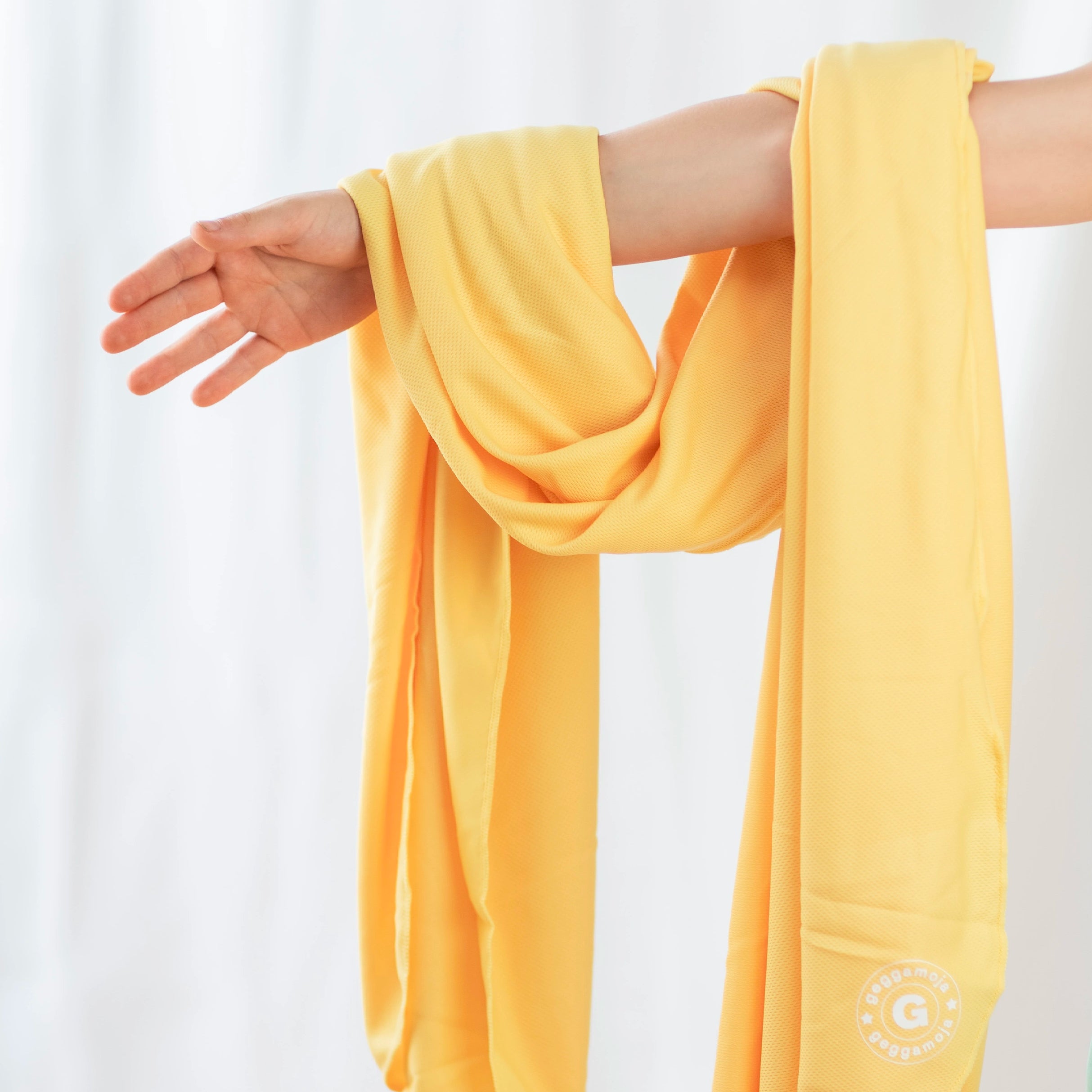
A strong tip for you who are nursing is our UV blanket – a blanket that protects your child while you nurse, but which can also be used at the beach or by the pool as sun protection.

Below is a checklist you can keep in mind when you and your little one are out in the sun.


Dress the child in thin UV-clothing
To give your child effective protection against the sun, choose sun-protective clothing made of UV-blocking material. These clothes cover the body and block harmful UV rays without making the child too warm.

Sun hat and sunglasses with UV protection
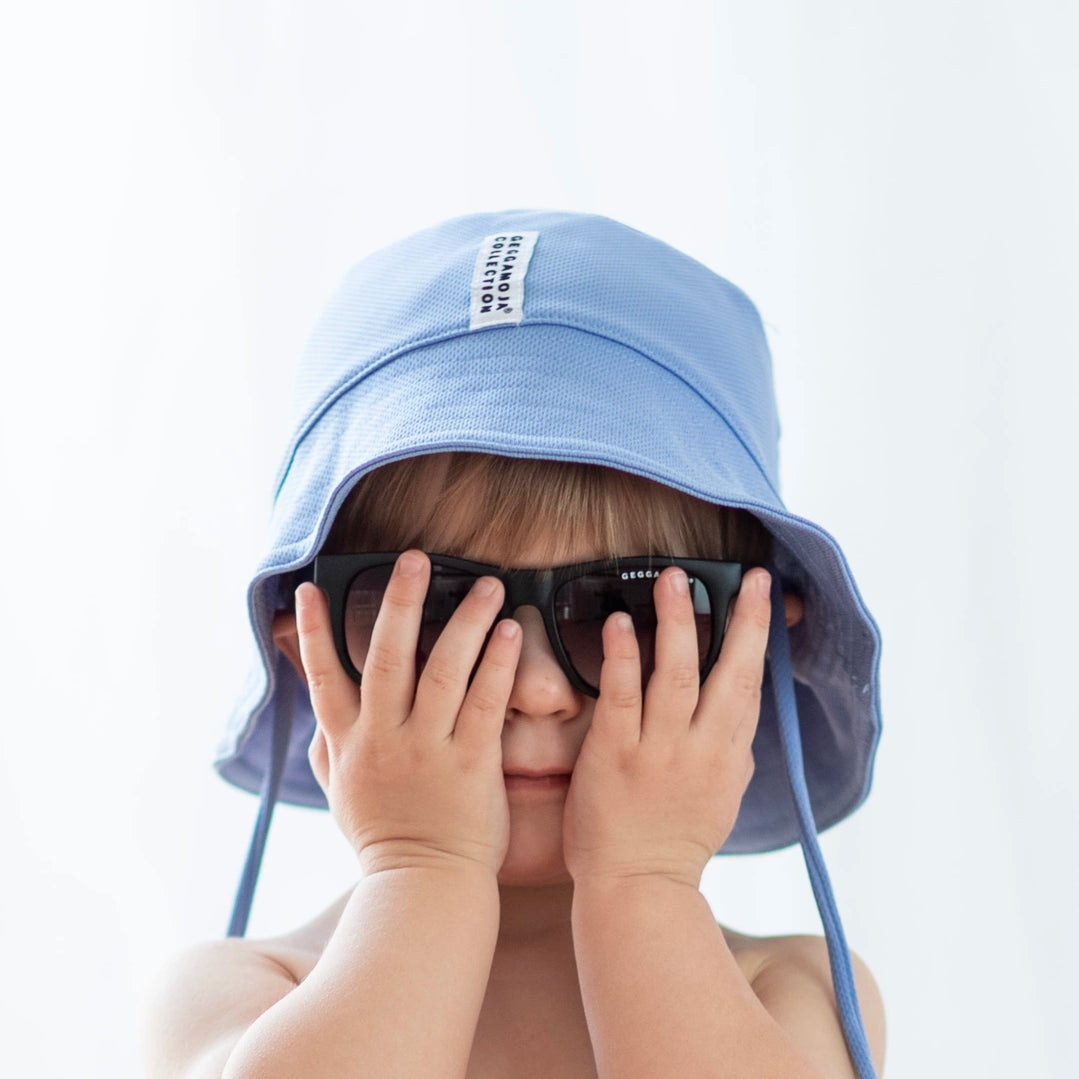
Complement the UV clothing with a sun hat to protect the child's head and face. Sunglasses with UV protection are also a good option to protect the child's eyes from strong sunlight. We have a wide range of sunglasses for children up to 11 years old.

Seek shade or stay indoors during the strongest sun hours
To minimize the risk of sun damage, try to keep the child in the shade or indoors between 11 a.m. and 3 p.m., when the sun is strongest.

Use sunscreen on the unprotected skin areas
Use sunscreen with a high sun protection factor (at least SPF 30) on the parts of the skin not covered by clothing. It is an extra protection for the most sensitive areas.

Protect the child in the pram
Remember not to place the pram in direct sunlight. It can get very hot under the hood. Instead, use a UV curtain or UV blanket to protect your child from the sun.

Bathrobe or bath cape for extra protection after swimming
After a dip in the water, feel free to use a bathrobe or bath cape to quickly dry and protect the child from cold and the sun. Hang up the UV clothes to dry so they are ready for the next swim.

pool19_1.jpg

Checklist: Sun-protective clothing for children over 1 year old

Children older than one year obviously also need protection against UV rays.
Below is a checklist you can keep in mind when you and your child are going to spend a day in the sun.

1. Don’t forget fluids.

2. Primarily use clothing and a sun hat/cap as sun protection.

3. Use sunscreen on parts of the body not covered by clothing.

4. Avoid being in direct sunlight between 11 a.m. and 3 p.m., when the sun is strongest. Keep the child in the shade as much as possible.

5. Buy sunglasses with Safety Class / UV protection 400.

6. Feel free to use a bathrobe or bath cape after swimming. Also hang wet UV clothes to dry so they are ready for the next swim.

GEGGAMOJA49_2.jpg

Checklist: UV equipment and accessories

To protect your child from the sun’s harmful rays, it is important to use the right UV gear and accessories.
Here is a checklist of some important items:

  • UV blanket: A handy blanket with UV protection 50+ that blocks 98% of the sun’s harmful UVA and UVB rays. Perfect to bring to the beach, use as sunshade over the pram, or when nursing to protect both you and the baby.

  • UV curtain: A pram curtain with UV protection 50+ that shields your child from the sun’s rays during walks. Easy to attach and adjust to provide optimal shade and airflow.

  • Sunglasses: Protect the child’s eyes from harmful UV radiation. Choose sunglasses with UV400 filter that block 100% of the sun’s rays and a fit that sits comfortably on the child’s head.

  • UV water shoes: Protect the child’s feet from harmful UV rays. Perfect for use around the pool or at the beach, and also protect against hot sand and sharp objects.

  • UV hat: A sun hat with built-in UV protection that shields the child’s face and neck from the sun’s rays. Choose a hat with a wide brim and adjustable fit for best protection and comfort.

By using these UV gear and accessories, you can ensure your child is well protected on sunny days.

Safety classes

Bathing suits, short-sleeved trousers and sweaters, shorts, blankets, and curtains meet the EN 13758-1 standard.
This is a European standard that specifies requirements and test methods for sun-protective clothing and accessories. When it is said that a product meets the EN 13758-1 standard, it means that it has been tested and assessed according to the requirements and methods set out in this standard.

More specifically, EN 13758-1 focuses on assessing the effectiveness of sun protection by measuring its UV protection factor (UPF). UPF is a measure of how effectively a garment or material blocks ultraviolet (UV) radiation from the sun. The higher the UPF value, the better protection the garment offers against UV radiation.

When a product meets the EN 13758-1 standard, it means it has passed the necessary tests to prove its effectiveness in protecting against harmful UV radiation according to the criteria established by the standard.

Caps and hats. When it is said that a product complies with the PPE Regulation (EU) 2016/425, category I, it means that the product is intended to provide basic protection for the user and that it meets the requirements set out in the regulation for that specific category.

PPE stands for Personal Protective Equipment and is regulated by EU Regulation 2016/425 to ensure that products sold within the EU meet the necessary safety and quality standards to protect the user's health and safety. Category I refers to products that offer the lowest level of protection and includes products considered to have minimal risk.

When it is said that the hat’s compliance with BS 8466 means that the hat meets the requirements of the British standard BS 8466. This standard may be specific to hats or hat-like products and contains requirements and test methods for safety, performance, or quality relevant to the product.

Coveralls, long sweaters, and trousers. When it is said that a product meets the PPE Regulation (EU) 2016/425, category I in accordance with EN 13758-2, it means that the product has undergone assessment and meets the requirements of the EU regulation concerning personal protective equipment (PPE) intended to provide a basic level of protection.

Specifically, in this case, it refers to the product being intended to protect the user against the sun’s UV radiation. EN 13758-2 is part of the European standard for sun-protective clothing and accessories and specifies requirements and test methods for sun protection focusing on the UV protection factor (UPF).

By stating that the product meets the PPE Regulation, category I in accordance with EN 13758-2, it means that the product has been tested and assessed to ensure it provides sufficient protection against the sun’s harmful UV radiation according to the standards and criteria set out in EN 13758-2. This gives consumers assurance that the product meets the safety and quality requirements for sun protection under European law.