Shoes and boots: fit and internal measurements
Shoes should not be bought too small, as this restricts movement. Please note that children often do not say when their shoes are too small. Instead, they get used to them and may curl their toes.
Recommended room for growth
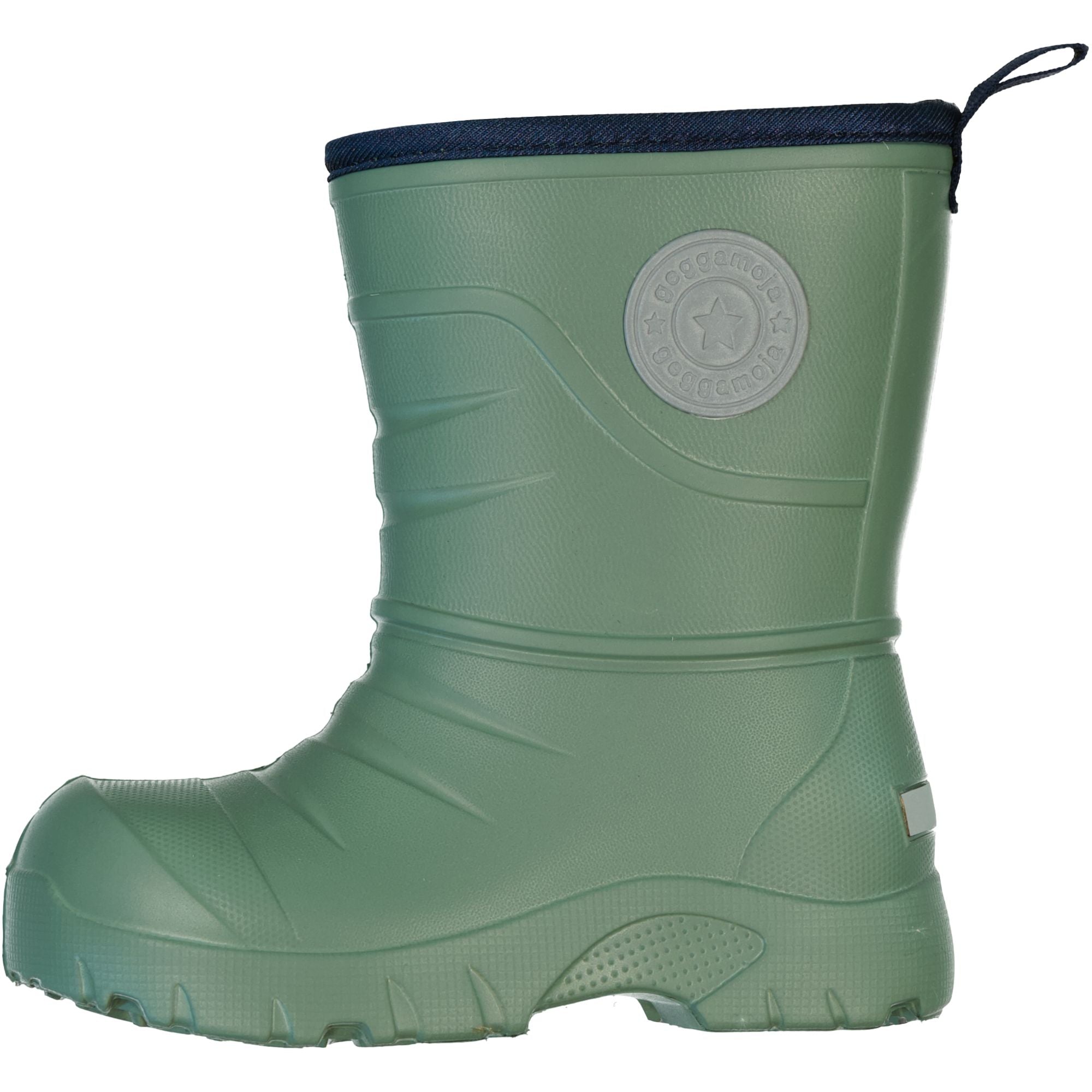
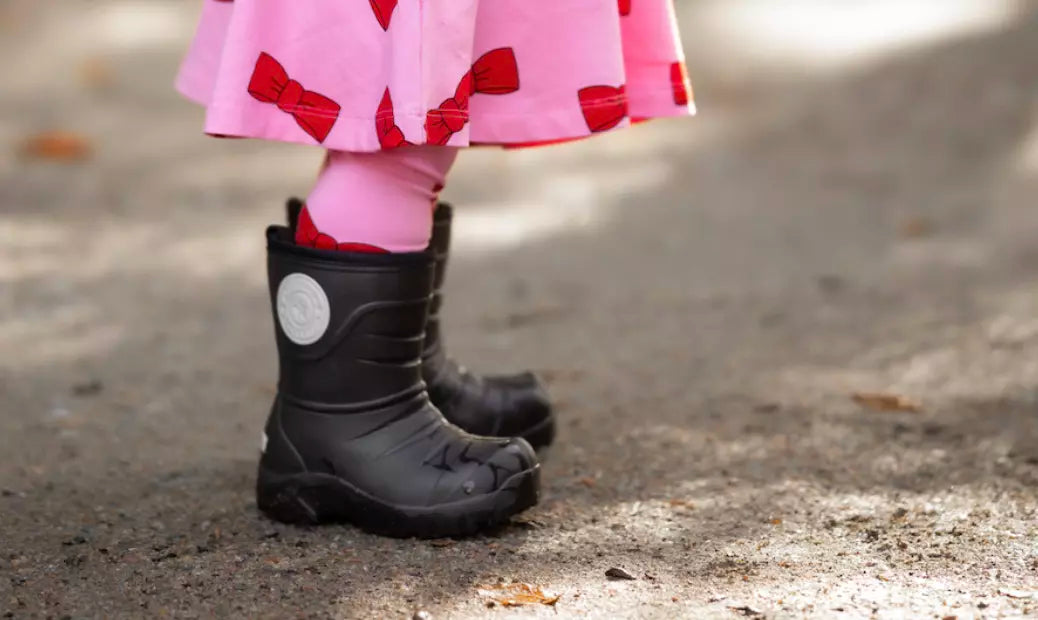
- Sneakers and lightweight boots: an internal measurement approximately 10–15 mm longer than the foot.
- Dressier summer shoes: around 10 mm, especially if they do not have hook-and-loop fasteners or laces.
- Boots and winter shoes: up to approximately 20 mm to leave room for an extra sock or insole.
How to measure the internal length
- Use a shoe measuring device or remove the insole and measure it.
- Do not measure the underside of the shoe – it often extends further than the internal length and gives a misleading measurement.
When is it time for new shoes?
- When there is about 5 mm of space left in front of the longest toe, it is time to buy new shoes – this much room is needed to prevent the toe from hitting the shoe.
- Always check the internal measurement.
Simple formula
- Foot length + desired room to move (recommended 10–15 mm) = the internal measurement to look for.
Size guides by model
- Internal measurements can vary greatly between shoe models and brands. Each product page has a separate size guide for our different shoe models. Measure the feet and check the internal measurement for the shoe you want before buying.