Children are often more sensitive to temperature changes than adults. The right clothes help them maintain a stable body temperature and reduce the risk of discomfort. This is important for both their health and mood.
Wearing the wrong clothes can lead to several problems, such as:
- Overheating, which can make a child irritable or tired.
- Hypothermia, which can set in quickly in the cold.
- Increased risk of getting sick, for example in damp or cold conditions.
Weather-appropriate clothing also helps children feel confident and able to spend more time outdoors. When they’re comfortable, outdoor play is more fun – and you can prevent many weather-related problems by dressing them properly. Ultimately, it’s an investment in your child’s well-being and happiness.
A temperature guide for children – how to choose the right clothes
Choosing the right clothes for different temperatures can feel difficult. But with a simple temperature guide, it’s easier to decide which layers and materials are suitable.
It’s about matching temperature ranges to clothing needs. In warm weather (above 20°C), lightweight, breathable garments work best. T-shirts and shorts made from materials such as cotton provide comfortable ventilation and comfort.
In cooler weather (10°C to 20°C), a long-sleeved top paired with a lightweight jacket may be just right. This provides warmth without making your child too hot.
When it gets chilly (below 10°C), layering becomes especially important. For example:
- Thermal underwear as a base layer
- A wool sweater or fleece as a mid-layer
- A windproof jacket as an outer layer
Keep an eye on the weather forecast and remember that temperatures often change throughout the day. With several options in the wardrobe and an extra sweater in the bag, it’s easy to adjust so your child stays comfortably warm throughout the day. The goal is to find the right balance between warmth and mobility.
Layering – the foundation for dressing for any weather
The “layering” method is the key to dressing children appropriately in all weather. It involves wearing several layers, each with a specific purpose. This provides warmth while also making it possible to adjust if the weather or activity level changes.
Start with a moisture-wicking base layer. It helps regulate body temperature and keeps the skin dry. Wool or synthetic fabrics work well, especially when it’s colder outside.
Then add an insulating mid-layer. Fleece or a wool sweater helps retain warmth and keep out the cold. The mid-layer traps air warmed by the body, making it ideal for cold days.
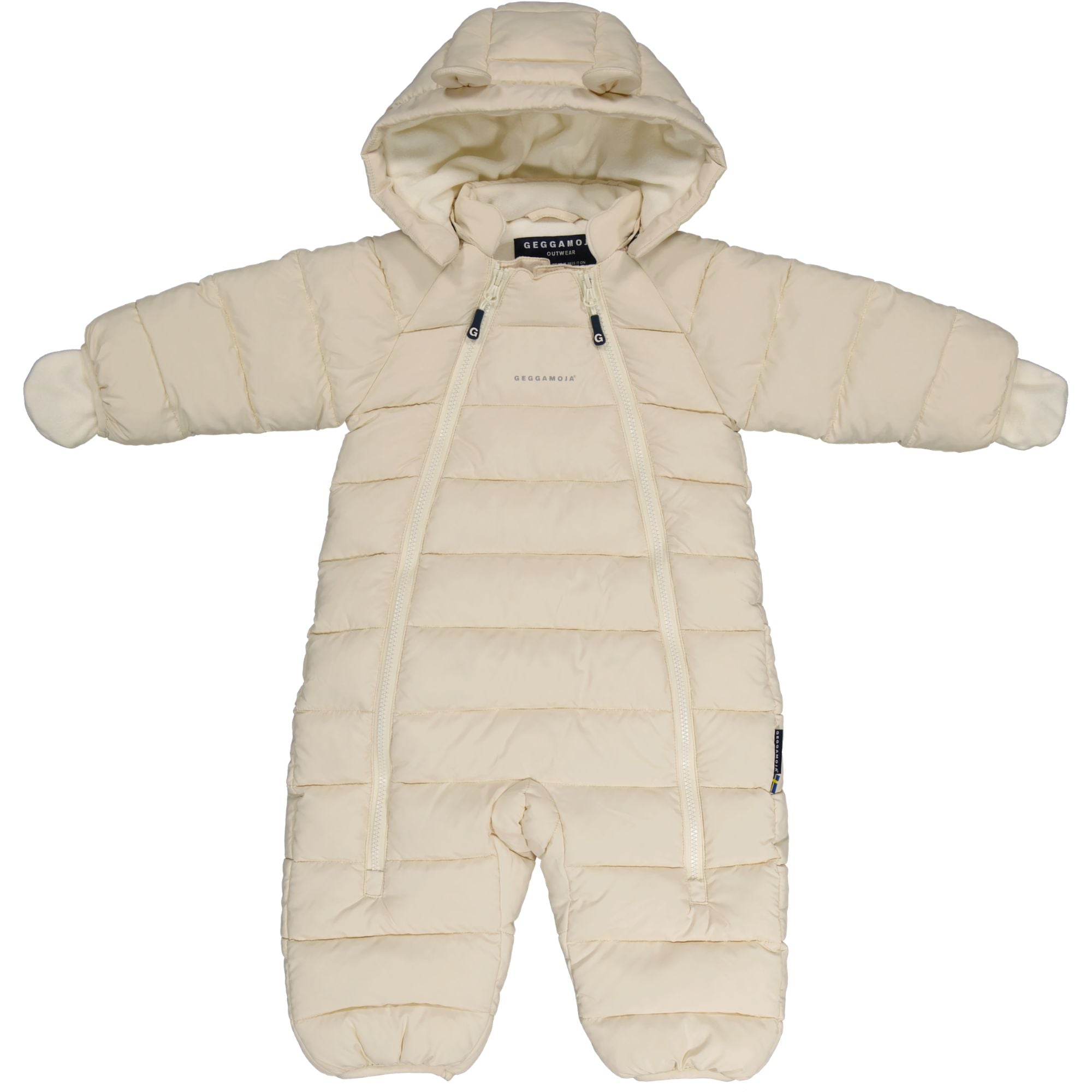
Finish with an outer layer that protects against wind and rain. It should be durable and preferably lightweight. A good shell jacket or coverall prevents moisture and cold wind from reaching the innermost layers.
Quick layering checklist:
- Base: Moisture-wicking shirt
- Middle: Insulating fleece or wool
- Outer: Wind- and water-resistant jacket
Being able to take layers off or add them makes it easier to keep your child comfortable – and therefore happier and more ready to play outdoors.
Wool clothing, fleece, and other materials – what should you choose?
Material choice matters a lot when dressing children. Wool (wool clothing) is a popular option because it provides natural warmth and is very good at managing moisture. Wool helps the body maintain an even temperature, making it useful for much of the year.
Fleece is also a good choice. It’s lightweight yet warm and dries quickly, making it practical for play and activity. Fleece is also versatile as a mid-layer, especially during colder months.
Here’s a simple comparison:
- Wool: Warm, breathable, moisture-wicking
- Fleece: Lightweight, insulating, quick-drying
- Cotton: Soft, but less effective at managing moisture
The best material depends on the weather, the activity, and the child’s needs. Many families choose a combination for both comfort and flexibility.
Shell clothing and outerwear – protection from wind and rain
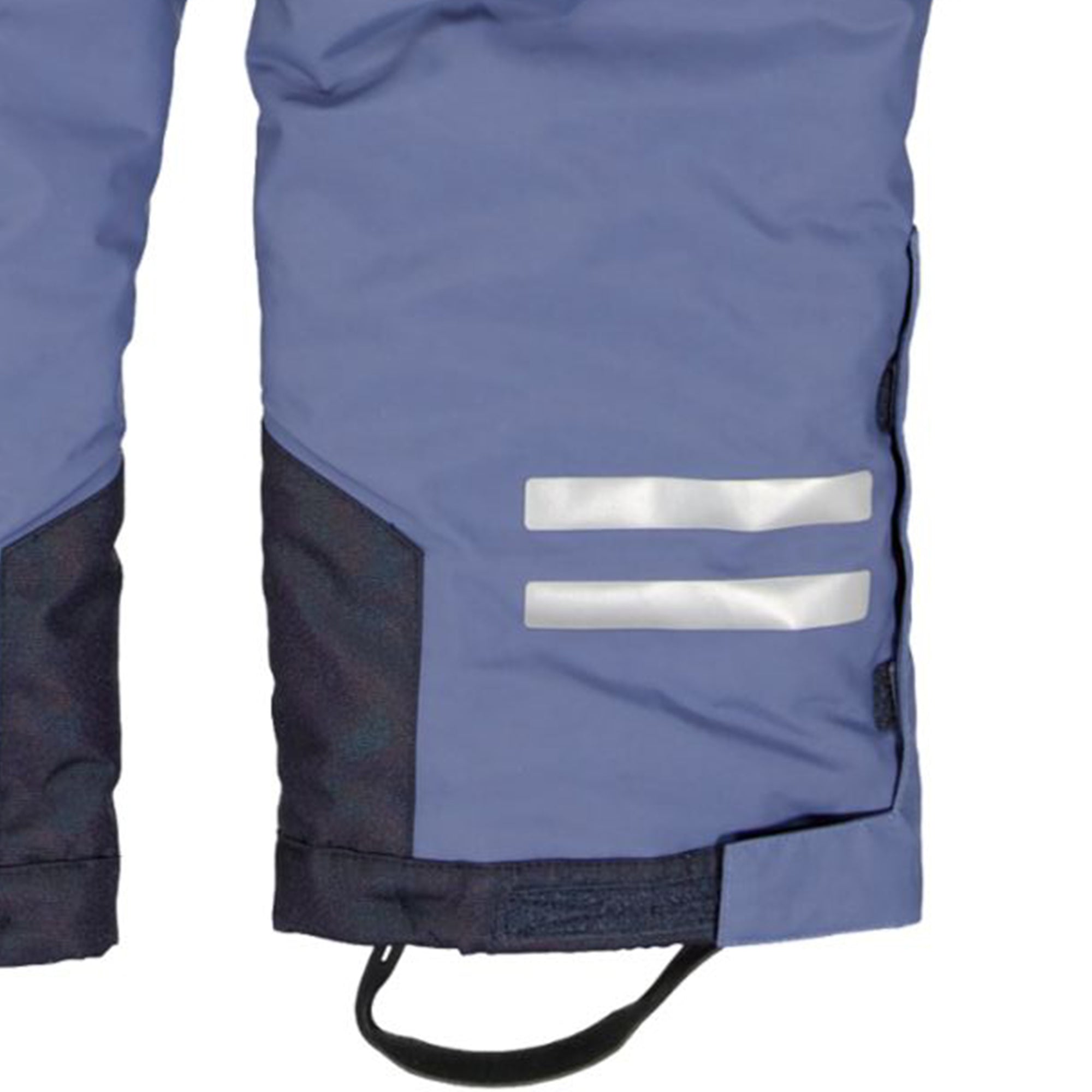
Shell clothing and outerwear are essential for protection from bad weather. These garments act as a barrier against wind and rain, keeping children dry and comfortable. Choose materials that are both waterproof and windproof for maximum protection.
Functional outerwear should also be breathable to prevent overheating. It’s important to consider the intensity of the activity and changes in the weather throughout the day. If children are active, their clothes should allow them to move freely and not restrict play.
Some tips for outerwear:
- Waterproof materials: Keep children dry
- Breathable fabrics: Prevent overheating
- Adjustable details: Allow for growth and movement
Dress children for winter/preschool – tips for cold days
During cold winter days, it's essential for children to be dressed properly. Preschool children spend time outdoors whatever the weather, so preparation is key. The right clothing ensures they stay warm and protected.
Start with a good base layer, such as wool clothing, to keep the body warm. Add mid-layers such as fleece for extra insulation. Finish with a windproof and waterproof outer layer, such as shell clothing, to protect against the elements.
Here are some tips to keep in mind:
- Warm hats: A hat is important.
- Insulating gloves: To protect little hands.
- Wear several layers: Adjust for the temperature and activity.
Teaching children to dress themselves according to the weather helps them understand the importance of staying warm and gives them a sense of independence.
How to tell if your child is dressed just right
It's important to make sure your child is neither too hot nor too cold. An easy way to check is to feel the child's neck and back. These areas should feel warm but not sweaty.
Signs that your child is dressed appropriately include:
- Relaxed body: The child moves freely.
- No red skin: Neither too hot nor too cold.
- Good mood: The child seems content and comfortable.
By keeping an eye out for these signs, you can adjust their clothes as needed and ensure your child is always comfortable.
Smart tips
When it comes to dressing children for the weather, a few questions often come up. How many layers are enough? Which material is best for fall?
Here are some tips to keep in mind:
- Plan ahead: Keep an eye on the weather forecast.
- Involve the children: Let them choose which layer they want first.
- Extra clothes: Always keep an extra set in the backpack.
By following this advice, you can make choosing clothes both practical and fun for you and your child.
Summary – safe and happy in all weather
Dressing children appropriately for every kind of weather is essential for their well-being. Using a temperature guide makes it easy to decide which clothes are best.
Use the layering technique and choose natural materials like wool for the best comfort. Always be ready to adapt the clothing to the changing conditions of the day, so your child can enjoy playing, whatever the weather.