What is the difference between rainwear & shell clothing?

Två barn i blå jackor, mörka byxor och mössor står tillsammans utomhus.

Rainwear or shell clothing - what should I choose?

Rainwear or shell clothing – what should I choose? This guide compares rainwear for children and shell clothing for children, and also covers PVC rainwear, which is widely used at preschools. In Sweden and the rest of the Nordic countries, it often rains on and off. That makes it important to dress children in practical, functional clothing. Some children love jumping in puddles, while others prefer sitting and playing in the damp sand. This is where the choice between shell clothing and PVC rainwear comes in – what determines which is best for your child? We’ll guide you to the right choice!

Quick summary

  • The biggest difference between shell clothing and PVC rainwear is breathability.

  • Shell clothing is breathable and wicks away heat and moisture – perfect for play and activities in changeable weather.

  • PVC rainwear is not breathable, but it is completely waterproof and highly resistant to wet conditions and dirt.

  • For many, the best option is to invest in one set of each, since their features complement each other.


Shell clothing for children

What is shell clothing?

Shell clothing consists of lightweight, durable outerwear that protects against wind and water while remaining breathable. It’s perfect for active children in spring, fall, and milder winter weather – especially when layered.

Key specifications

  • Water column: 15,000 mm for very good protection against rain and wet conditions.
  • Breathability: 800 g/m²/24h for effective moisture transport from the inside out.
  • Seams: Taped for extra waterproofing.

Practical details

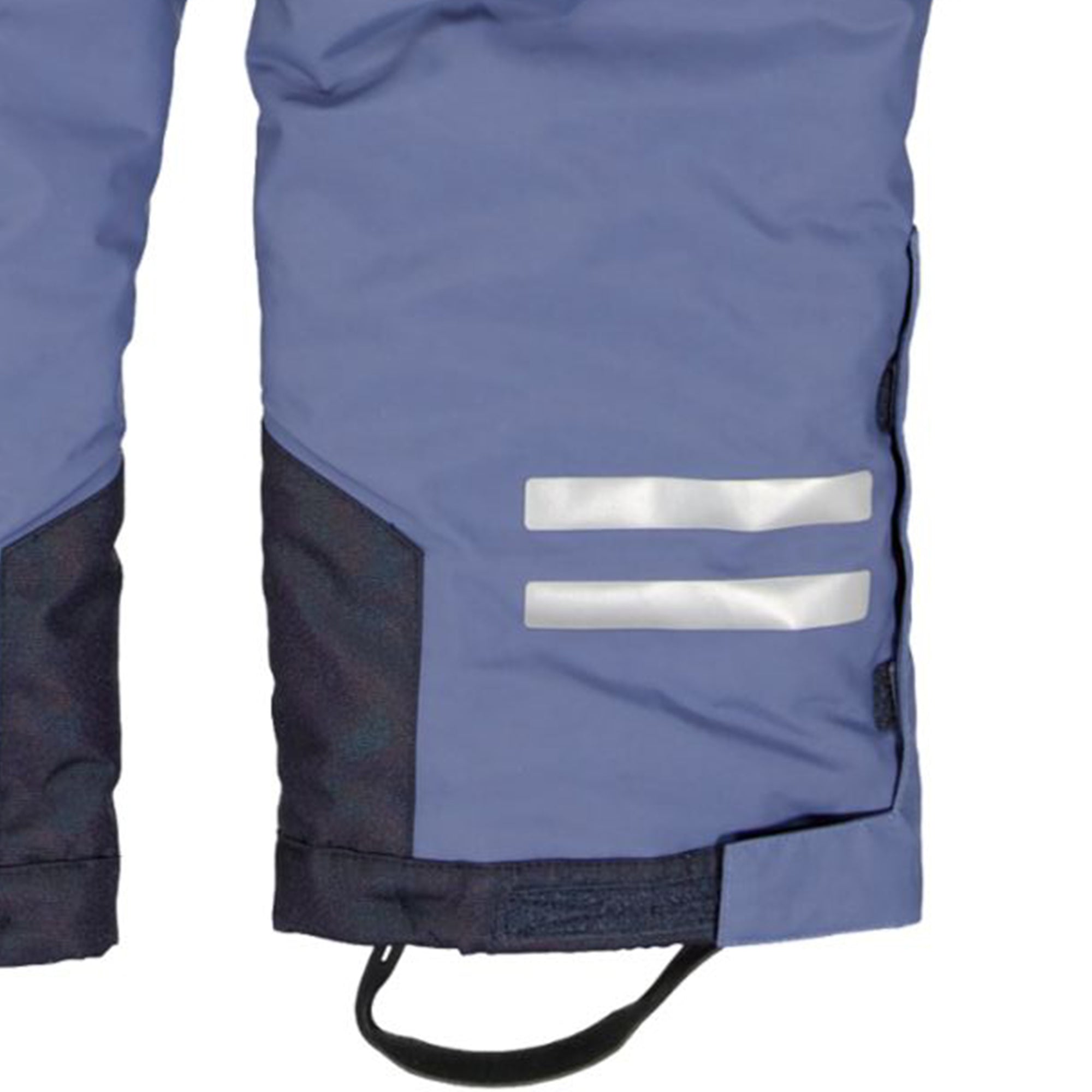
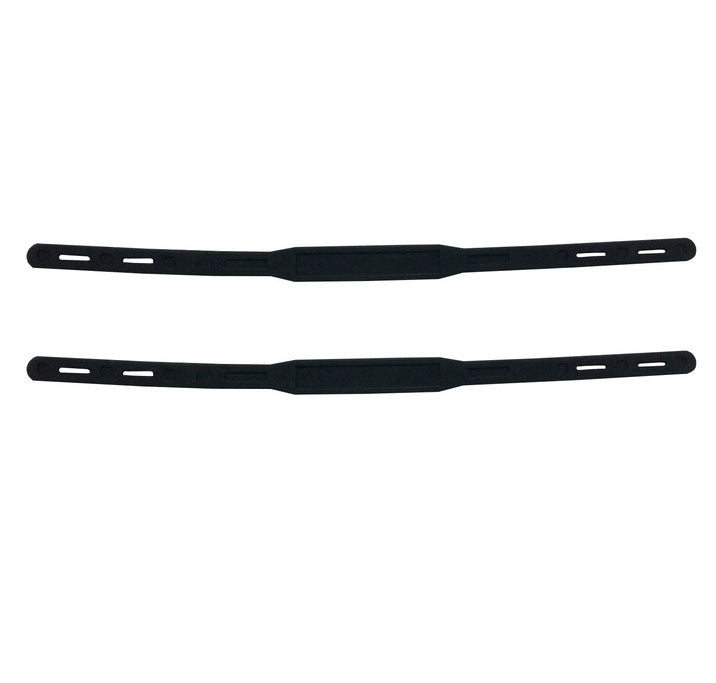
  • A detachable hood, adjustable suspenders, reflective details, and taped seams make it practical, safe, and comfortable for everyday play.

Care instructions

  • Wash according to the garment’s care instructions, preferably with liquid detergent without fabric softener.
  • Reapply water-repellent treatment after a few washes to maintain water resistance.

Galon/PU rainwear for children

What is galon rainwear?

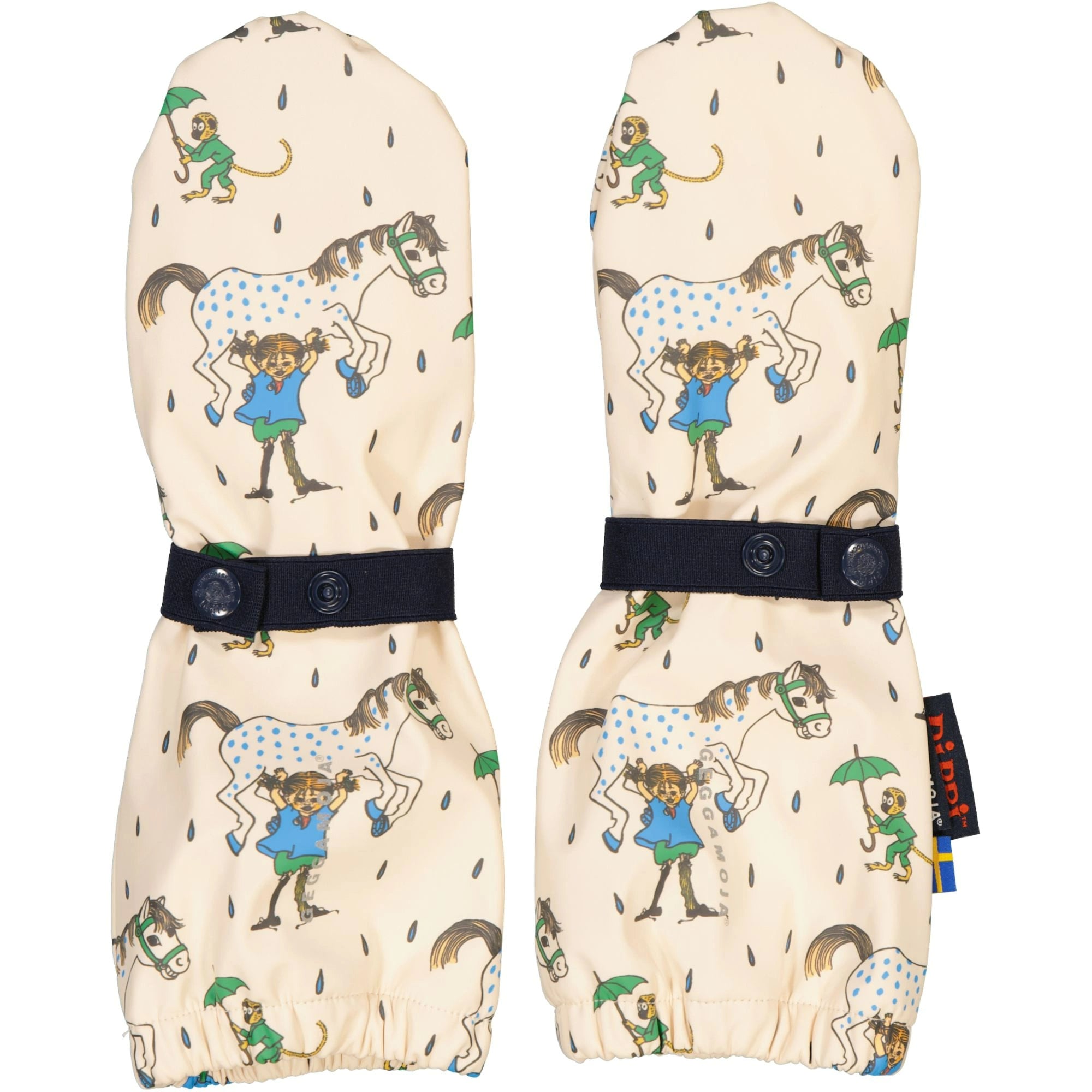
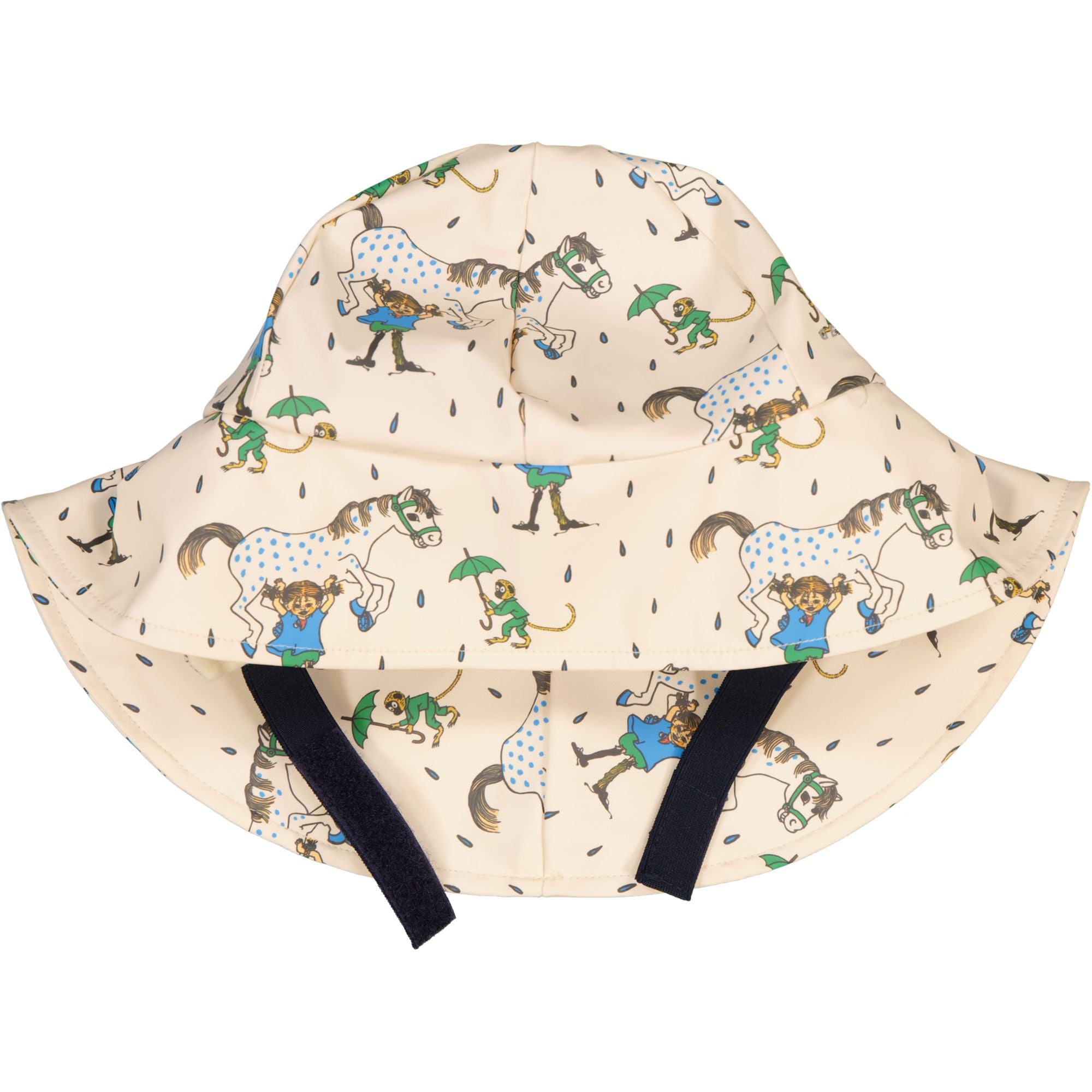
PU rainwear (galon) is completely waterproof and highly resistant to wet and dirty conditions. It’s especially suitable for heavy rain, slush, and playing in puddles or damp sand.

Key specifications

  • Water column: 8,000 mm with taped seams for effective protection against rain, slush, and puddles.
  • Breathability: Traditional PU rainwear is not breathable, but it is designed to withstand wet play without letting moisture in from the outside.

Practical details

  • Detachable hood, adjustable suspenders, reflective details, and taped seams for safe and comfortable play in rainy weather.

Care instructions

  • Rinse or wipe clean with water and mild soap.
  • Avoid tumble dryers and high heat, as PU materials can be damaged.

Warmth and layering

  • On cold days, add a warm mid layer, such as fleece or wool, to keep your child warm.

When should you choose which?

Choose shell clothing when …

  • The weather is changeable, overcast, or lightly rainy.
  • Your child will be running and playing actively.
  • You want a flexible, breathable solution that works well with layers.

Choose galon/PU rainwear when …

  • It’s really wet: heavy rain, slush, puddles, or playing in damp sand.
  • Your child will be outside all day in persistent rain.
  • You want a garment that’s easy to rinse off and very durable.

Do you need both?

  • For many, it’s smart to invest in one set of each. Shell clothing offers flexibility and breathability for everyday play, while galon provides maximum protection in persistent rain and very wet conditions.

Frequently asked questions about shells and rainwear

  • The crucial difference is breathability. Shell clothing is breathable (800 g/m²/24h) and lets heat and moisture escape, keeping your child dry from the inside during active play. PU rainwear (galon) is not breathable, but it is completely waterproof and very resistant to wet conditions and dirt. That’s why shell clothing is best for changeable weather and activity, while galon is best for heavy rain and very wet environments.

  • Yes, our shell clothing has a hydrostatic head of 15,000 mm and taped seams, providing very good protection against rain and moisture. It holds up well in the rain, especially during active play and when layered in spring, autumn, and milder winter weather. For a full day in heavy rain, however, a waterproof rain suit is usually the best choice.

  • Choose waterproof rainwear when it’s really wet: pouring rain, slush, puddles, or playing in damp sand. Our rainwear has a hydrostatic head of 8,000 mm, taped seams, and offers excellent protection against water and dirt. It isn’t breathable, so on colder days, add a warm mid-layer such as fleece or wool. All styles have a detachable hood, adjustable suspenders, reflective details, and taped seams for safe, comfortable play.

  • All our shell garments have a detachable hood, adjustable suspenders, reflective details, and taped seams. This makes them practical, safe, and comfortable for everyday play.

  • For many people, it's smart to invest in one set of each. The garments complement each other: shell clothing offers flexibility and breathability for everyday play in changing weather, while rainwear provides maximum protection in prolonged rain and very wet conditions.
    • Shell clothing: follow the washing instructions, use liquid detergent without fabric softener, and reproof after a few washes to maintain water resistance.
    • PU rainwear: rinse or wipe clean with water and mild soap; avoid tumble dryers and high heat, as PU can be damaged.
    • Both types have practical features such as a detachable hood, adjustable suspenders, reflective details, and taped seams.