
Checklist - newborn baby

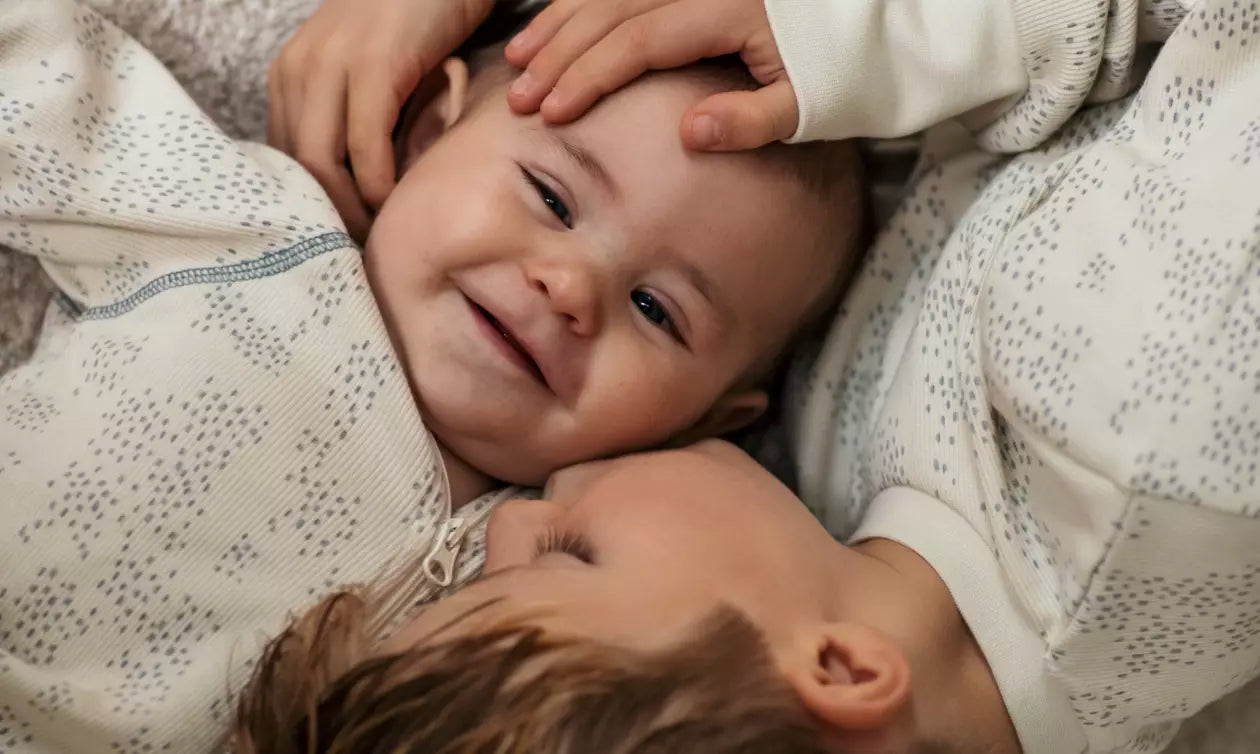
Närbild av en bebis i ljusa kläder som håller handen vid munnen.

What does a newborn baby need?

The first three months after birth are often called the fourth trimester. The baby, who has spent nine months in a warm, safe place close to their mother’s heartbeat, must now become familiar with a big new world. We therefore recommend keeping your baby skin-to-skin as much as possible to meet their need for closeness. We at Geggamoja think a baby sling is a real lifesaver during the first few months. Your baby may not want to sleep in the lovely crib you’ve prepared so carefully. In that case, let your newborn lie close to you, or perhaps even on a parent, where there is warmth and a heartbeat.

Since you’re reading this guide, we think you’re expecting or have recently welcomed a new addition to your family - congratulations! While you can’t predict the new family member’s behavior and preferences, it’s reassuring to have some things in place as your family grows, especially so you don’t have to arrange everything just after the baby has arrived. We at Geggamoja naturally want to help you get to know and care for your family’s newest addition. To help you along, this guide highlights what we believe a newborn baby needs.

Clothing tips & advice 

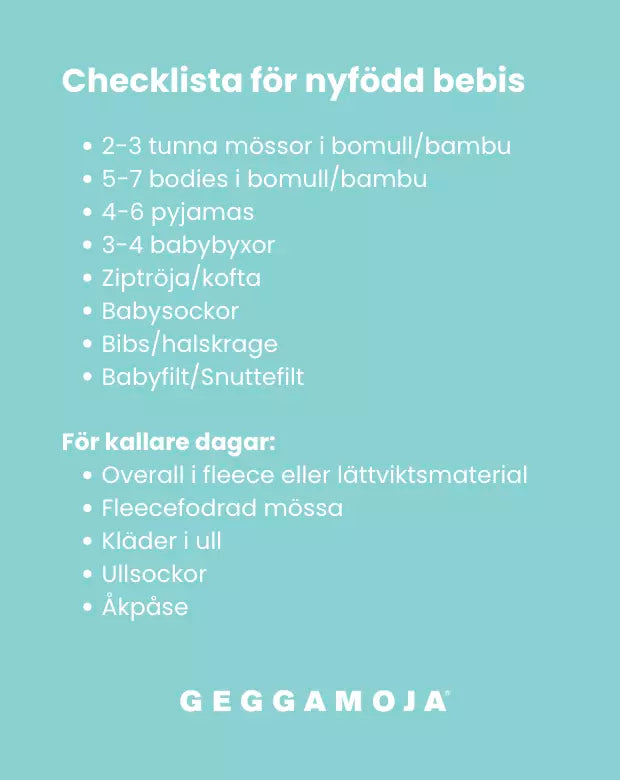
Of course, your newborn needs clothes. Take a look at our checklist further down for guidance on what types of garments and how many to buy for your baby. Above all, choose soft, organic materials, but also think practically and choose what you like in terms of quality and design. 

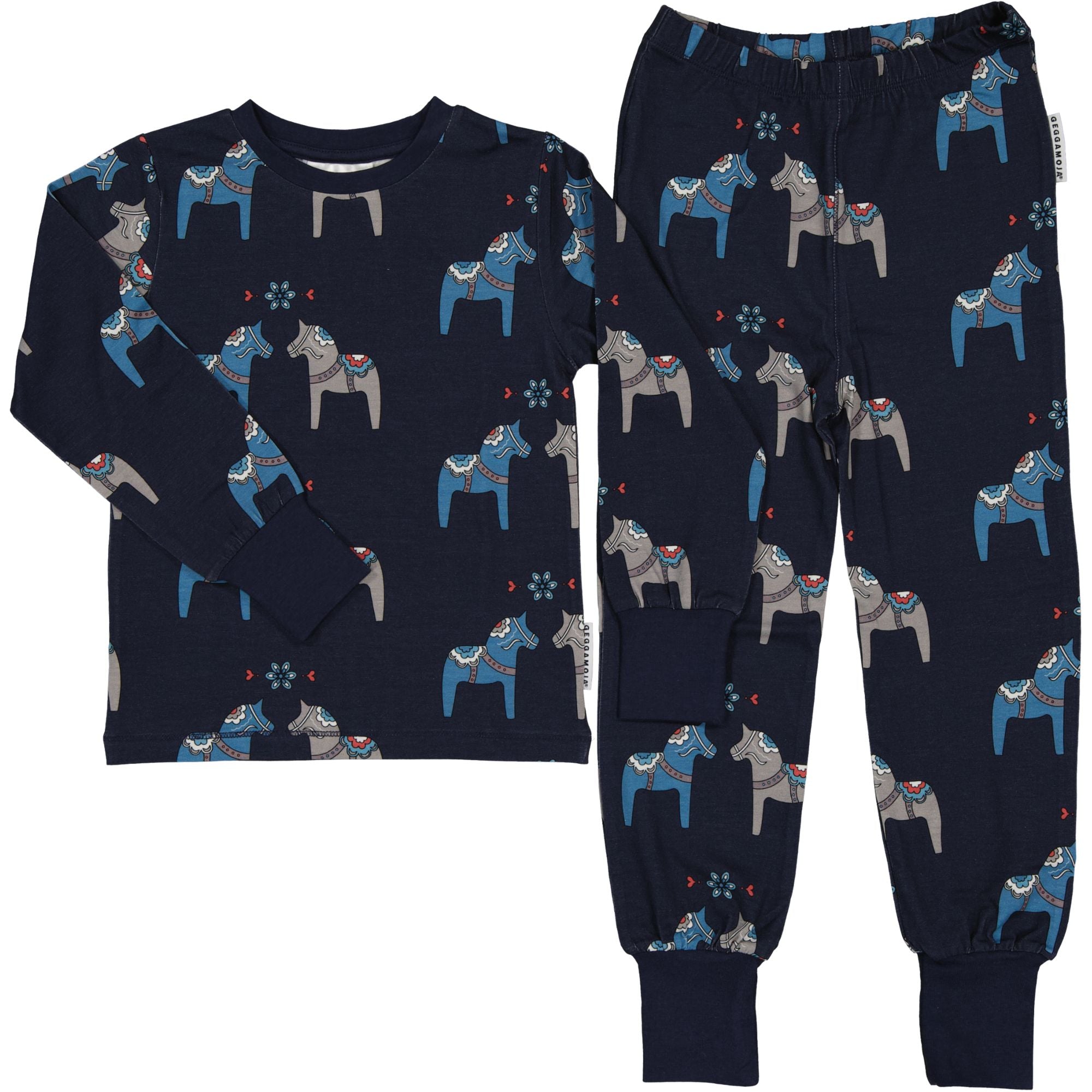
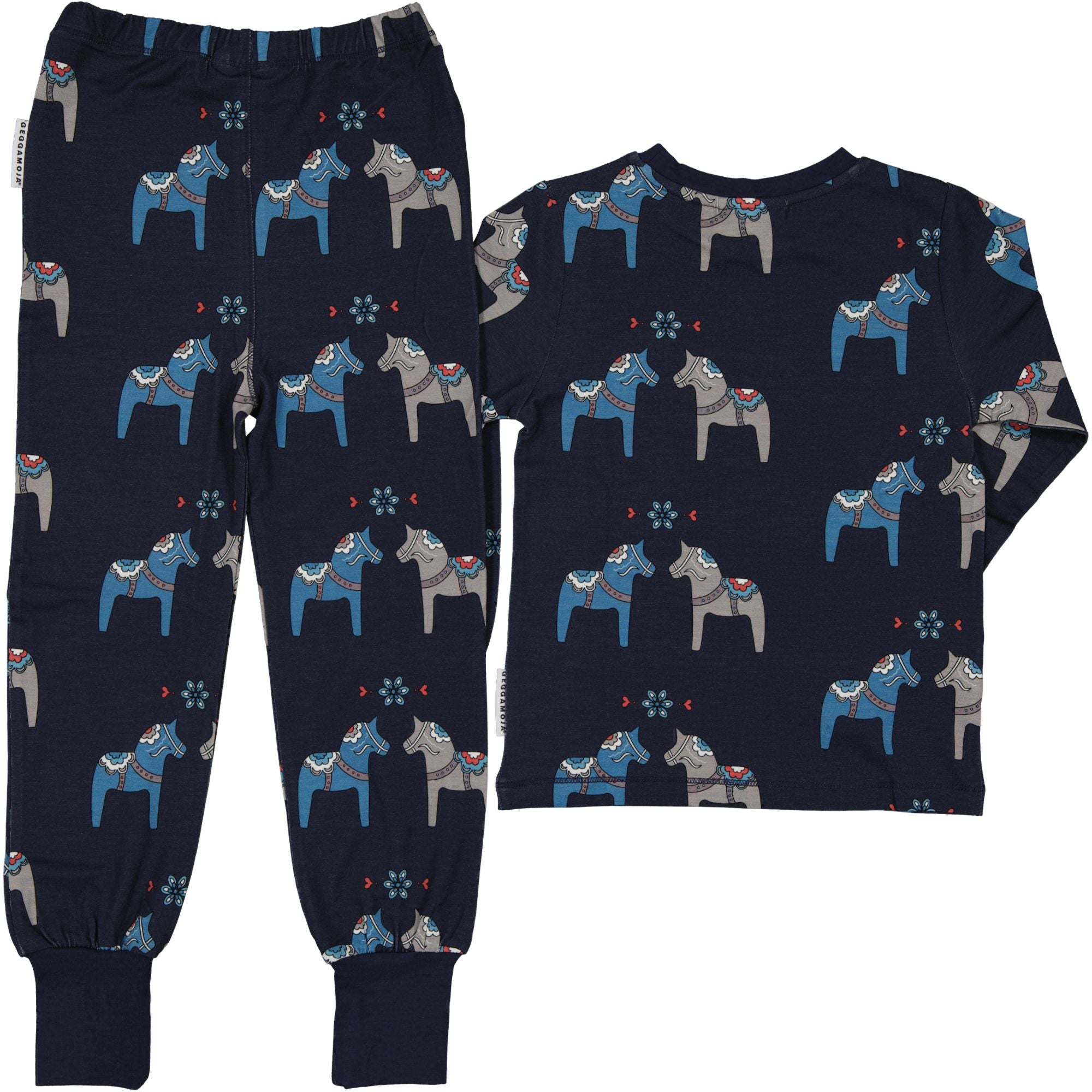
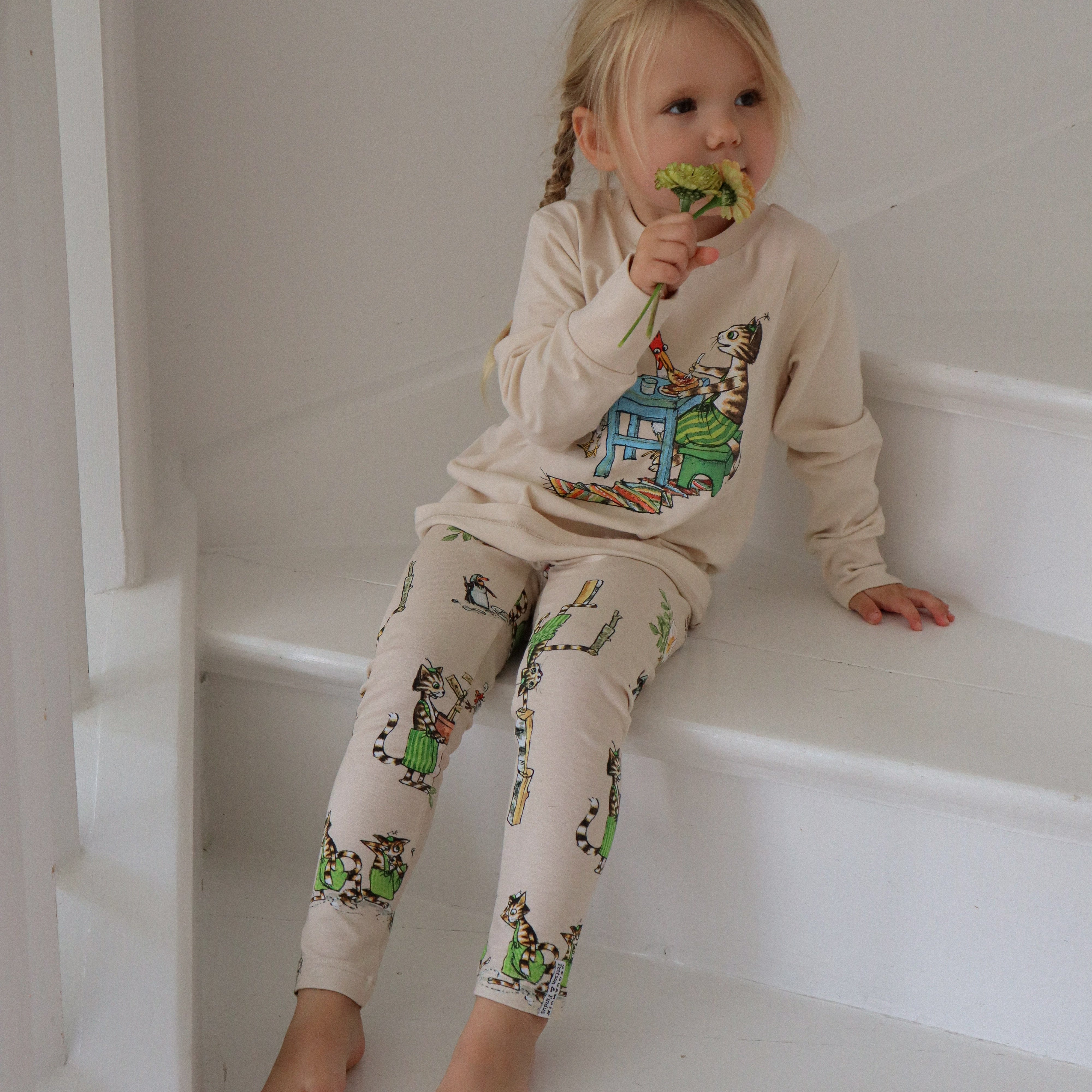
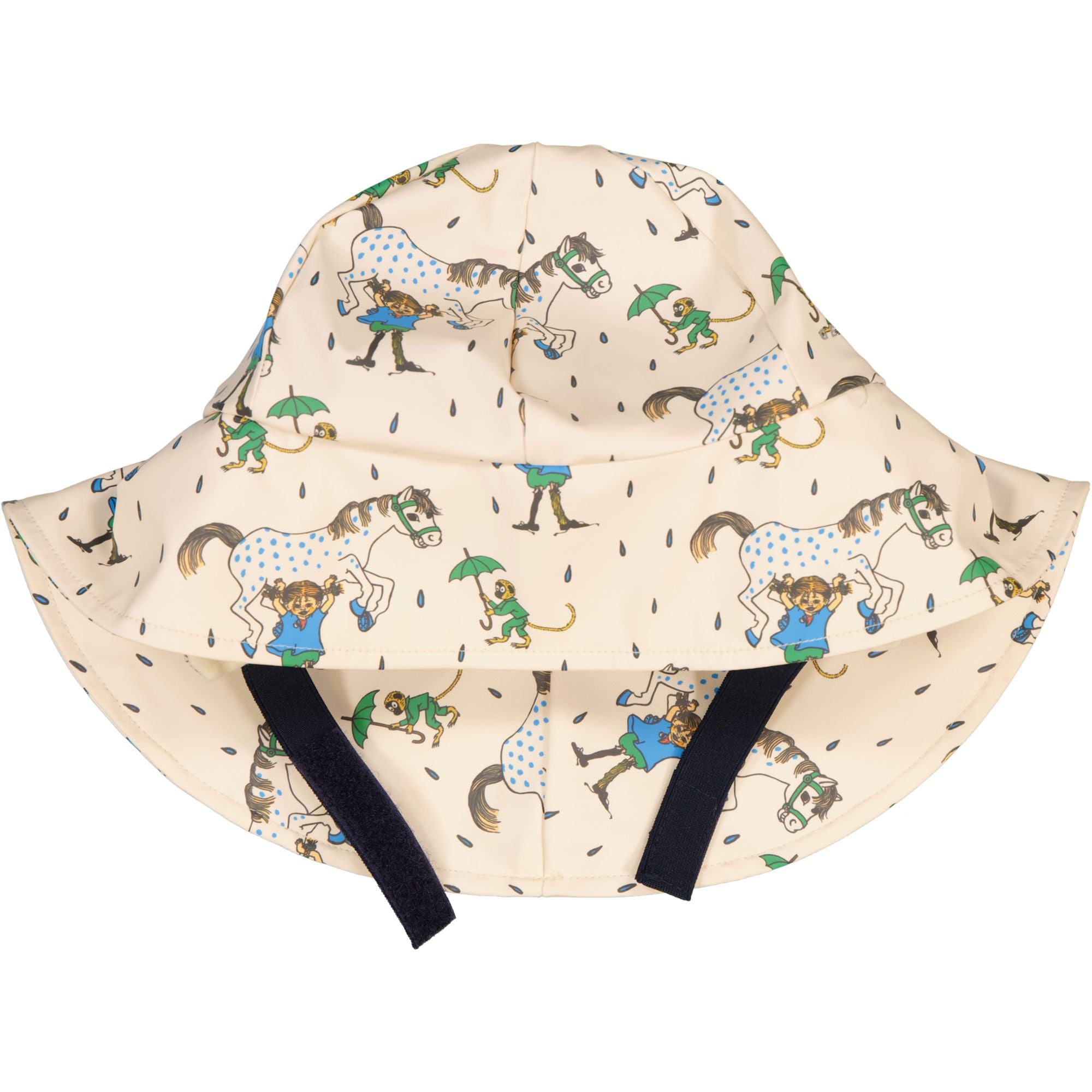
We at Geggamoja love and highly recommend our  bamboo pajamas. They are incredibly soft, and bamboo is a natural material without chemicals that is perfect for a baby’s skin. The most popular and clever feature of our zip pajamas is the two-way zipper, a convenient solution that makes diaper changes easier. During the first few months, many people also prefer to use wrap-style bodysuits, mainly to avoid pulling the garment over a newborn baby’s head. Outdoors, your child should wear a hat or sun hat to protect them from the cold and sun - preferably throughout the entire first year!

What size should I buy for my newborn baby?

You never know how small or large the baby will be when they’re born. We have premature clothing for babies born early or very small babies, starting from size 40. Otherwise, we generally recommend  size 50/56 for newborns. Geggamoja’s clothes are true to size or tend to run slightly roomy.
Stroller

The stroller is a place where you want your little bundle to feel comfortable and cozy. So make sure it’s nicely made up and snug, or use a comfortable footmuff in the stroller. Then add a lovely blanket and a soft toy or stroller toy to make the stroller both personal and familiar to your baby’s senses.

Products that smell familiar and come along with you in everyday life help your little one feel safe - but remember to choose durable, high-quality products.

We also recommend investing in one of our UV shades. These are useful on summer days when the sun’s rays shine into the stroller. In general, though, it’s important to make sure your baby doesn’t get too hot or cold in the stroller. One tip is to feel the back of your baby’s neck to check their temperature. If it’s warm and damp in the stroller, you’ll usually need to remove a layer of clothing.


Changing table

Another place where you’ll spend quite a bit of time is the changing area. Give this space a cozy, personal touch too. For example, hang a mobile for your baby to look at or add a soft toy to keep them company during diaper changes. It can be worth investing in a quality changing pad that can withstand accidents. NOTE! Never leave your infant unattended on the changing table.


Bed

Did you know that babies sleep for about 50–70% of the first six to seven years of life? That makes it important for your child to feel comfortable in their sleeping space. Using a baby nest gives your baby a safe and secure place to sleep. Sleep is important not only for children during their first years, but also for you as a new parent. So make sure the sleeping space feels cozy for the whole family. For example, try our cozy blankets made from organic materials, which you can easily take from the bed to the stroller or snuggle under during a cozy moment on the sofa.


We at Geggamoja hope this guide has been helpful and that you find a few new favorites in our range. We wish you all the best with your new family member. Take care! ❤ 

Our best tips for you:

A newborn baby needs several basic items of clothing, such as bodysuits, pajamas, pants, and socks. It's also good to have a couple of hats, cardigans, and a light blanket to keep the baby warm and comfortable.

  • Choose clothes made from soft, organic materials that are gentle on delicate skin.
  • For a newborn, we recommend having at least 6-8 bodysuits and 4-6 pajamas. Newborns often need to change clothes several times a day because of diaper leaks or spit-up, so it's good to have a few extra sets.
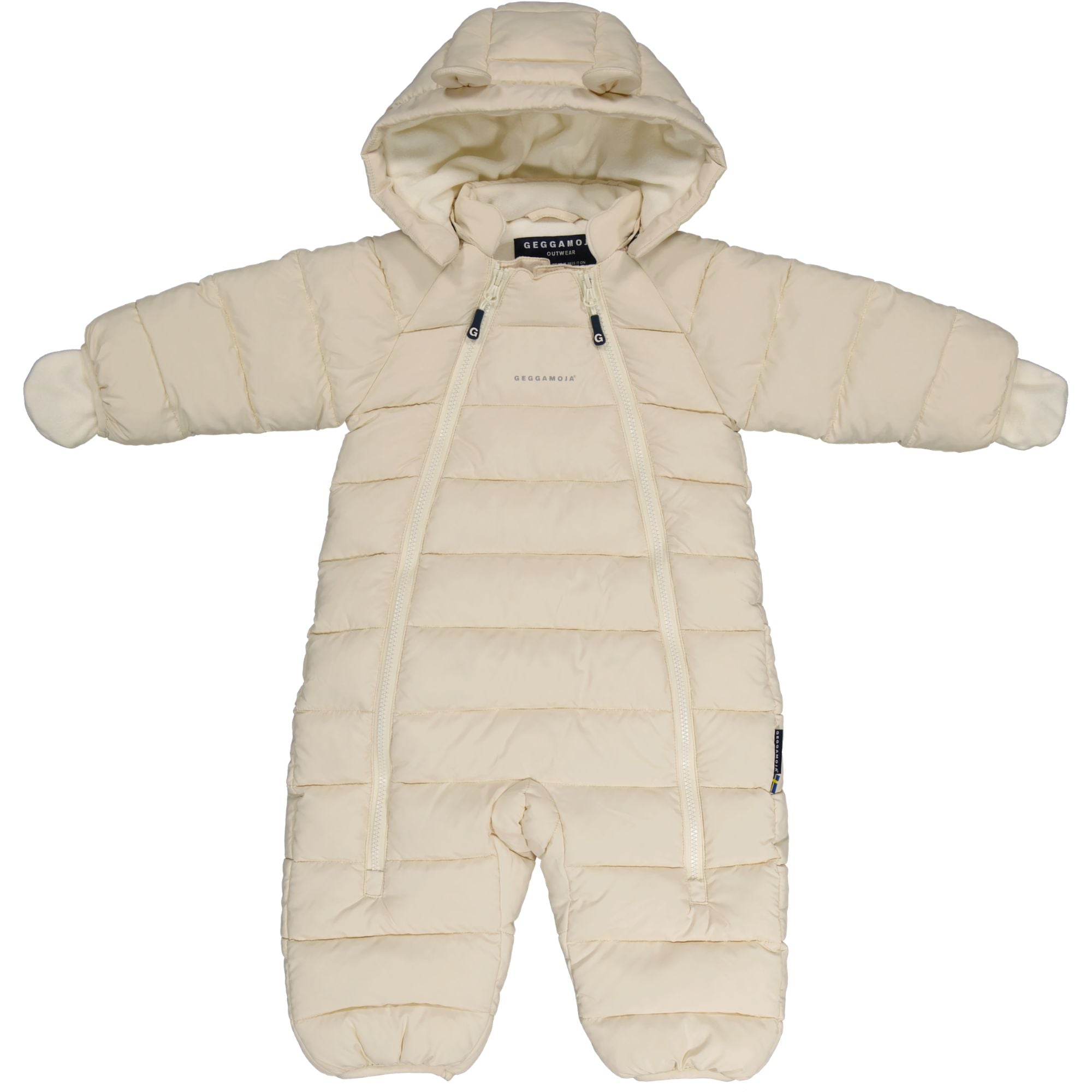
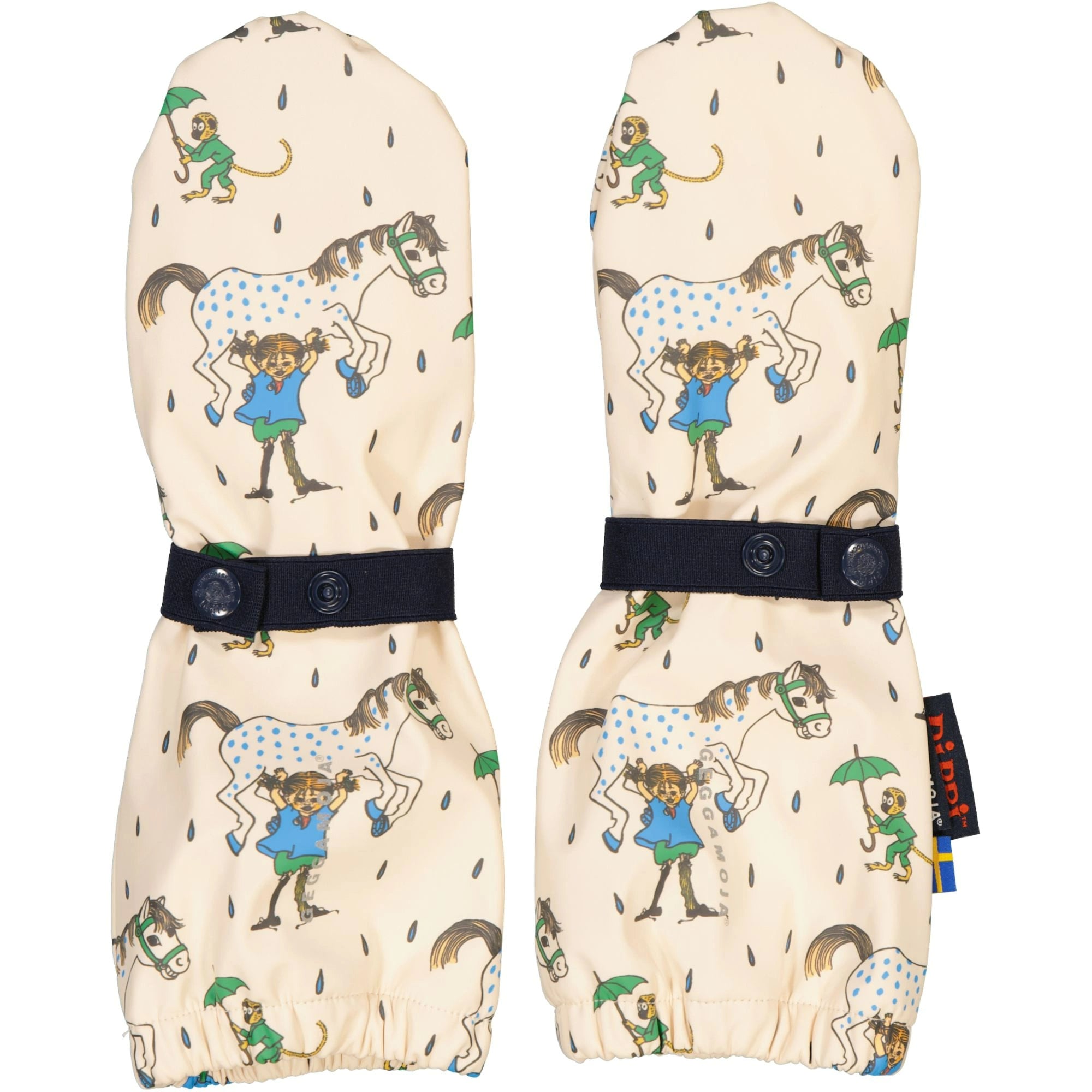
  • For newborns born during colder months, a snowsuit or bunting bag is essential. In spring and fall, a lighter jacket or cardigan is enough. Don't forget a hat and mittens to protect the baby from the cold and wind.
  • Soft, natural materials like organic cotton and bamboo are best for newborn babies. These materials are gentle on the skin, breathable, and reduce the risk of skin irritation.
  • Avoid clothes with rough seams or synthetic materials that can cause discomfort.
  • Newborns have difficulty regulating their body temperature, so it's a good idea to use a thin hat and socks indoors, especially during the first few weeks. This helps keep them warm and comfortable.

FAQ - Questions and answers about newborn babies

  • Stock up on basics like 6–8 bodysuits and 4–6 pairs of pajamas (you’ll need to change them often), as well as pants, socks, a couple of hats, cardigans, and a soft blanket. During colder months, you’ll need a snowsuit or footmuff, while a lightweight jacket or cardigan is enough in spring and fall.

    Don’t forget a hat and mittens to protect against the cold and wind.

  • For most newborns, size 50/56 is recommended. If the baby is premature or very small, premature clothing is available from size 40. Geggamoja garments are considered true to size to slightly roomy.

  • Choose soft, natural, organic materials such as organic cotton and bamboo—they’re breathable, gentle on the skin, and reduce the risk of irritation. Avoid rough seams and synthetic materials. Practical choices include wrap bodysuits (so you don’t have to pull them over the head) and pajamas with two-way zippers that make diaper changes easier.

  • Newborns regulate heat less effectively—feel free to use a thin hat and socks indoors during the first few weeks.

    Outdoors: a hat or sun hat throughout the first year.

    Winter: a snowsuit/footmuff.

    Spring/autumn: a light jacket/cardigan.

    Summer: light, breathable clothes such as short-sleeved bodysuits and thin trousers, plus a sun hat and a thin cotton blanket.

    Feel the back of the neck to decide whether to add or remove layers.

  • In the stroller—make it cozy with bedding or a footmuff, add a soft blanket and perhaps a hanging toy or soft toy with a familiar scent; use a sunshade on sunny days and make sure the baby doesn’t get too hot or cold.

    For sleep—a baby nest creates a safe sleeping space; blankets made from soft, organic materials are comfortable and easy to move around.

    At the changing station—make it cozy with, for example, a mobile, invest in a durable changing mat and never leave the baby unattended. Skin-to-skin contact and a baby wrap provide extra closeness, especially during the first few weeks

  • In summer, lightweight, breathable clothes such as short-sleeved bodysuits and thin pants are best for keeping your baby cool. A sun hat and a lightweight cotton blanket are also good to have to protect your baby from the sun and keep them comfortable on warm days.